
Most of us don't think twice before hitting "post." But maybe we should. We spent weeks digging into what actually happens after you share something online — who sees it, where it goes, and what it reveals about you. Some of what we found was unsettling. Some was genuinely relieving. All of it changed how we use social media.
We All Overshare More Than We Think
You post a photo from dinner with friends. You share a funny thing your grandchild said. You mention you're finally feeling better after that cold. Harmless, right? Here's the thing — most of us share far more personal details than we realize. It's not one big post that gives you away. It's the accumulation of small ones, day after day, painting a surprisingly detailed portrait of your life for anyone scrolling by.
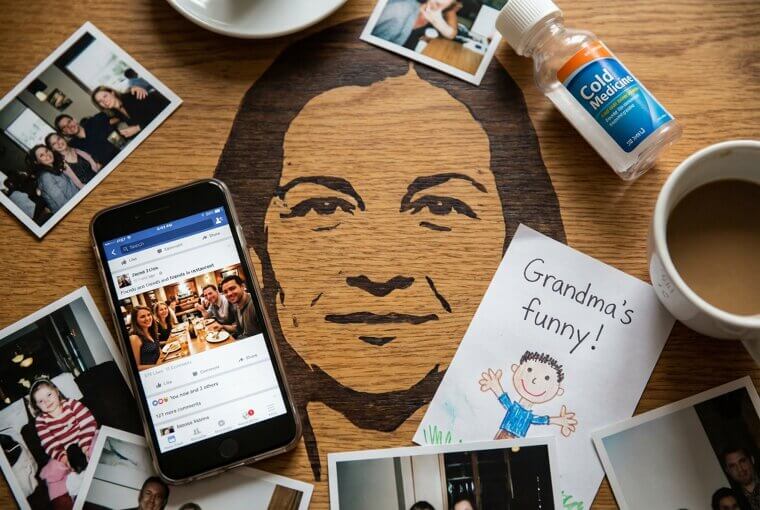
And that's not meant to scare you. Think of this as a friendly conversation about habits we all have — habits worth examining with fresh eyes. Because the audience for those posts? It's bigger than you think.
The "Just Friends" Audience Is Never Just Friends
You set your post to "Friends Only" and feel safe. That makes sense — you're sharing with people you trust. But here's what quietly happens next. A friend screenshots your post and texts it to their group chat. A friend-of-friend sees your comment on someone else's photo. A hiring manager searches your name before an interview. Your 338 Facebook friends each have their own 338 friends, and the walls between those circles are thinner than tissue paper.

Privacy settings are a good start, but they're a suggestion, not a vault. Once something leaves your fingertips, you've lost control of where it travels. The real question isn't who you're sharing with — it's who they're sharing with. And the actual number of people a single post can reach? It's far larger than most of us imagine.
Vacation Photos Tell Thieves You're Gone
You've probably heard this one before: don't post vacation photos while you're away. And yet, every summer, millions of people do exactly that. Picture this — a grandmother shares a gorgeous sunset from Myrtle Beach, tags the resort, and writes "Paradise for two whole weeks!" Meanwhile, her house sits empty with newspapers piling up on the porch. It's the digital equivalent of leaving a sign on your front door that reads "Nobody's home."
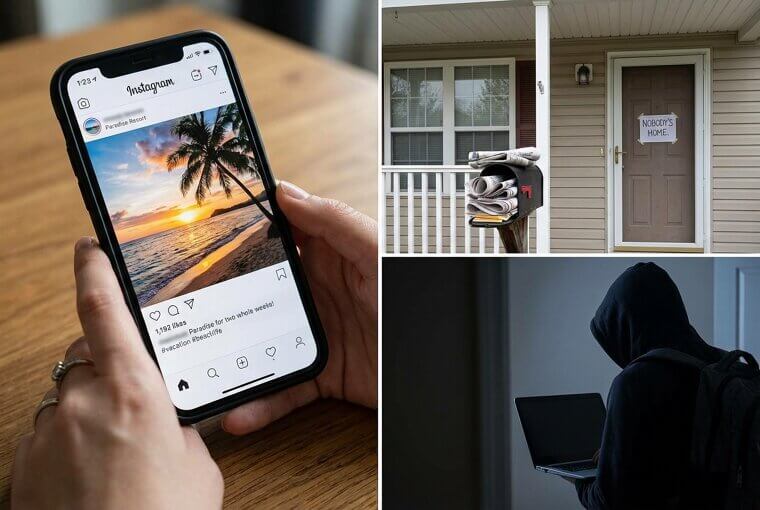
The simple fix? Save those beautiful photos and post them after you're back. You still get to share every sunset — just on a safer timeline. But vacation posts are only the beginning of what your location reveals about you.
Why You Remember Posts Nobody Else Does
Here's something psychologists call the "spotlight effect" — you believe people are paying far more attention to you than they actually are. That post you agonized over, the one that only got three likes? You probably replayed it in your head for days. Maybe you even deleted it at midnight, feeling embarrassed. But here's the surprising truth: most people scrolled right past it. They never noticed. Studies show we consistently overestimate how much others observe and remember our actions, both online and off.
That post you still cringe about from 2019? Almost nobody remembers it. The stress was real, but the audience was mostly imaginary. And that anxiety you felt chasing likes? It turns out the platform itself was deciding who even saw your words in the first place.
Algorithms Decide Who Sees Your Life
Here's something most people never realize: when you publish a post on Facebook, only about 5 to 10 percent of your friends actually see it. Not because they're ignoring you — because an algorithm decided your post wasn't engaging enough to show them. That cousin you carefully worded a birthday message for? She probably never saw it. Meanwhile, a stranger who stumbled onto your public comment on a news article might know more about your opinions than your closest friends do.

Think about that for a moment. You're curating your life for an audience that largely doesn't show up — while an audience you never intended quietly watches from the edges. So who exactly are you performing for? And what happens when those fun little quizzes you take start revealing far more than your personality type?
That Quiz Knows More Than Your Doctor
You've seen them: "Your stripper name is your first pet plus the street you grew up on!" Hilarious, right? Except those are the exact security questions protecting your bank account, your email, and your retirement funds. Every time you play along, you're publicly posting the answers. The FBI's Internet Crime Complaint Center reported that Americans over 50 lost $3.4 billion to online fraud in a single year — and identity theft often starts with exactly this kind of casual data harvesting.

That fun quiz doesn't need your Social Security number. You already gave it everything else. The good news? A few simple privacy changes can close the door — and they take less than sixty seconds each.
Three Privacy Settings To Change Right Now
Here are three Facebook privacy changes you can make right now — each takes under a minute. First, go to Settings, then Privacy, and find "Limit Past Posts." One tap changes every old public post to friends-only. Second, in the same menu, find "Do you want search engines outside of Facebook to link to your profile?" Turn that off. Your profile won't appear when someone Googles your name. Third, go to your profile, tap your friends list, and change its visibility from "Public" to "Only Me."
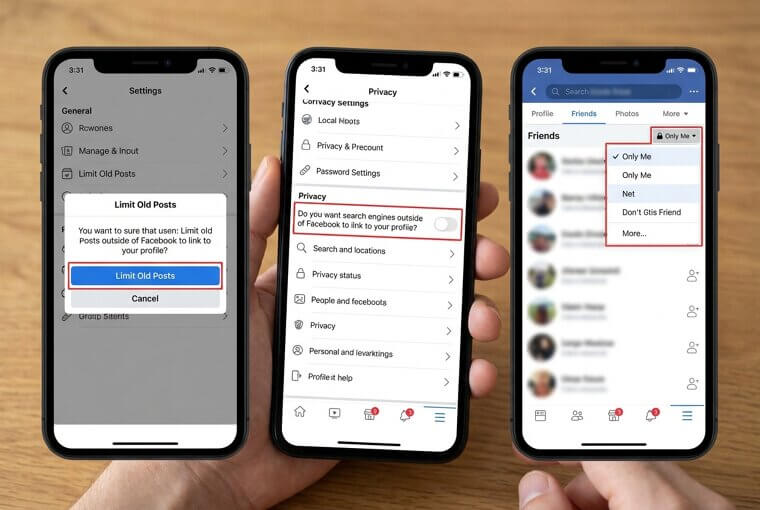
That's it — three taps, three layers of protection. You just made yourself significantly harder to find, profile, and target. But there's one group of people whose privacy you might be overlooking — and they never agreed to be online in the first place.
Your Grandkids' Digital Footprint Starts With You
Every proud photo you post of your grandchild — first day of school, birthday party, soccer game — adds to a digital identity they never asked for. Studies show the average child has 1,500 photos online before turning five. Many were uploaded by grandparents. Those images often include school names on T-shirts, location tags on playgrounds, and full names in captions. Data brokers and facial recognition databases don't distinguish between a loving family post and a data point. You're building a permanent public profile for a person who can't yet spell their own name.

Imagine your grandchild at sixteen, discovering thousands of photos of themselves scattered across the internet — posted before they could even say the word "privacy." That's not a hypothetical. It's already happening in families everywhere. And what you think you deleted? It might still be out there.
Deleted Doesn't Actually Mean Deleted
You posted something you regretted, then deleted it. Gone forever, right? Not even close. Facebook retains deleted data on its servers for up to 90 days — sometimes longer for legal or technical reasons. Google's cached versions can preserve your post for months after removal. And if your profile was ever public, the Wayback Machine may have archived it permanently. Screenshots taken by anyone who saw your post live on indefinitely, completely outside your control.
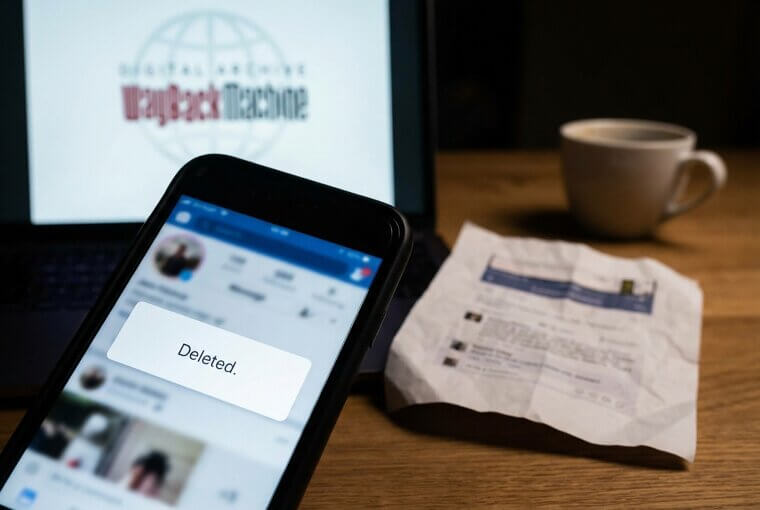
Think about that for a moment. Every section you've read so far — the quizzes, the grandkid photos, the location tags — carries a weight that outlasts the delete button. And if that's unsettling, wait until you see what a scammer can piece together from a single birthday post.
What Scammers Learn From Your Birthday Post
Fraud investigators will tell you a birthday post is a goldmine. When someone comments "Happy 62nd Birthday, Mom!" a scammer now has your full birth date, a confirmed family relationship, and a name to cross-reference. They'll scan the comment thread for more — a sister mentioning your hometown, a neighbor tagging your location, a profile photo with your dog's name on its collar tag. Combined with answers from those personality quizzes, an experienced identity thief can answer nearly every standard security question your bank uses.
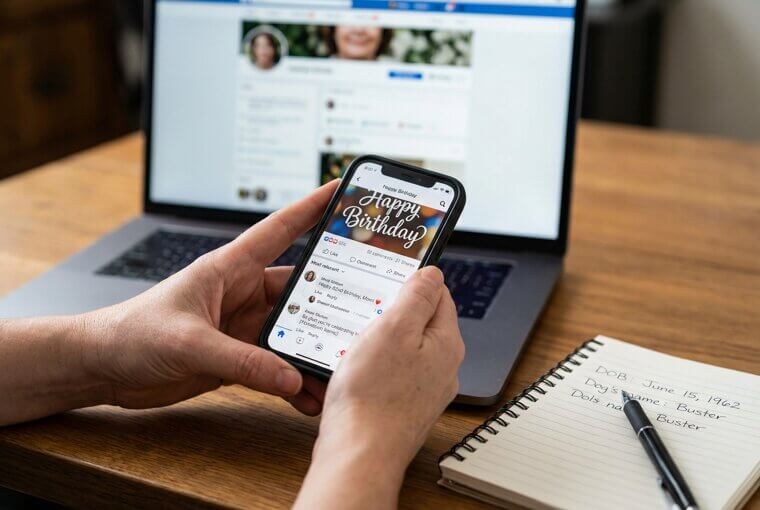
One investigator described it bluntly: "A birthday thread with twenty comments is basically a completed identity theft worksheet." You don't need to stop celebrating — but you should know what's visible when you do. Next up, a ridiculously simple mental test that helps you decide what's safe to share.
The Simple "Grandmother Test" Before Posting
Here's the simplest filter you'll ever learn. Before you post anything, ask yourself: would I shout this from my front porch for the entire neighborhood to hear? Cybersecurity professionals use a version of this — they call it the billboard test. But the front porch version sticks better because it's personal. Your porch, your street, your neighbors, that guy three doors down you don't quite trust. If you'd say it from the porch, post it. If you'd lower your voice and close the door first, that's your answer.
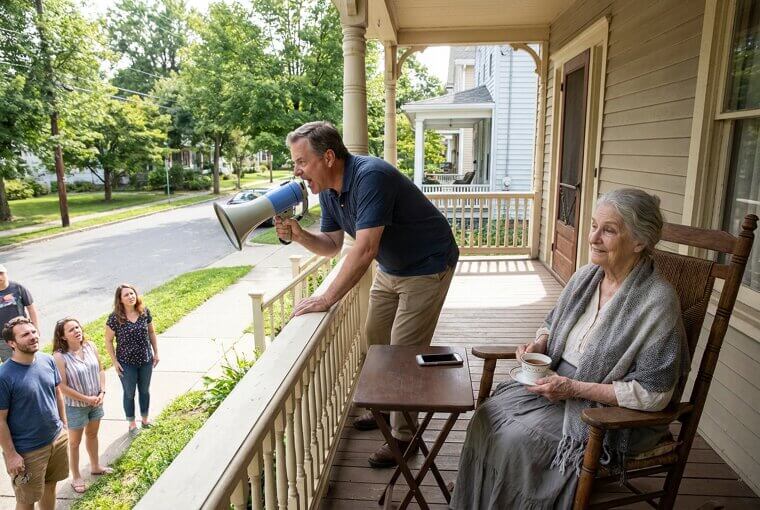
Try it right now — think about your last post. Would it pass? This tiny pause becomes instinct fast. And you'll want that instinct, because most people have no idea how far a single shared post can actually travel.
One Post Can Reach 47,000 Strangers
Remember back in section two, when we said "friends only" isn't really just friends? Here's the math that proves it. Pew Research found that when a single public Facebook post gets shared just twice, its potential reach explodes to an average of 47,000 people. Not forty-seven. Forty-seven thousand. That's because each share exposes the post to an entirely new network, and those networks overlap unpredictably with strangers, data brokers, and search engine crawlers you'll never know about.

Every truth you've read so far — the quizzes, the birthday threads, the posts you thought you deleted — now imagine each one reaching a small stadium's worth of strangers. Feeling motivated to lock things down? Good. Because your location tags are quietly broadcasting something even more dangerous than your words.
Location Tags Are More Dangerous Than You Think
Every photo you take with a smartphone can silently embed your exact GPS coordinates into the image file. This hidden metadata — called EXIF data — travels with the photo when you upload or send it. That cozy morning coffee picture taken at your kitchen table? Anyone who downloads it can extract your home address down to a few feet. Law enforcement professionals rank this among the most underestimated safety risks on social media. One detective put it plainly: "People install security cameras, then post geotagged photos that hand strangers a map to their front door."
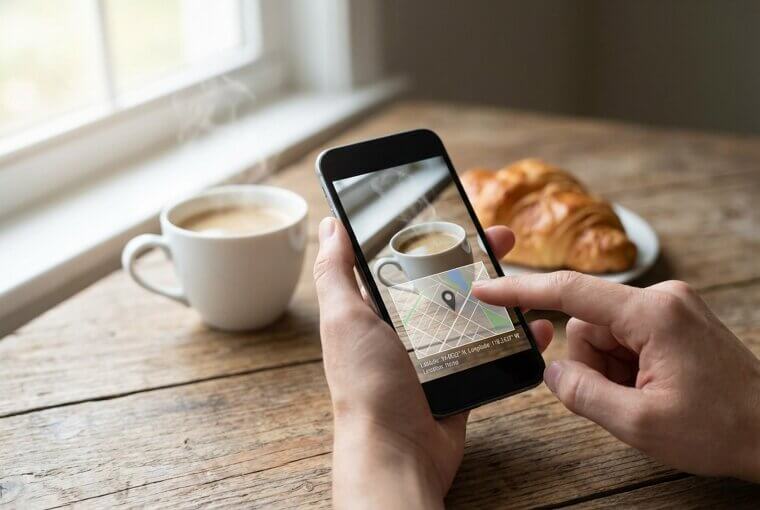
For people who live alone, the danger multiplies — your location, your routine, and your solitude are all revealed in a single image. The good news? Turning this off takes less than two minutes.
How To Strip Location Data From Photos
Here's how to stop your photos from broadcasting your address. On iPhone, go to Settings → Privacy & Security → Location Services → Camera, then select "Never." On Android, open your Camera app, tap Settings, and toggle off "Location tags" or "Store location." Done — every future photo is GPS-free. For photos already on your phone, check what's embedded: open any photo, tap the info icon (iPhone) or swipe up (Android), and look for a map thumbnail. If you see one, that image contains your exact coordinates.
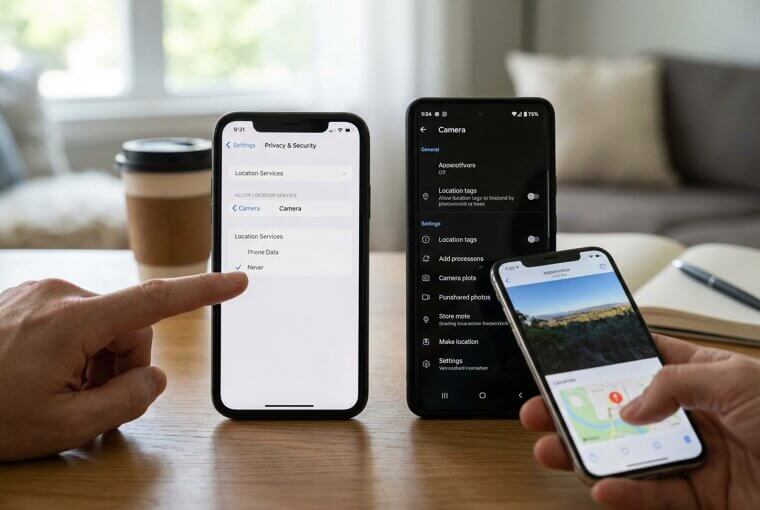
Before sharing older photos online, screenshot them first — the screenshot strips the metadata clean. Takes three seconds, costs nothing, and removes the invisible map to your home. Now that your location is protected, let's talk about another post type that carries serious consequences — the ones you write when you're angry.
Angry Posts Cost People Jobs And Lawsuits
In 2013, a Florida teacher was fired after posting a frustrated rant about her students' parents. A Texas man lost an $80,000 defamation lawsuit over a single angry Yelp-style Facebook review of a local business. A volunteer board member in Ohio was removed after screenshots of her heated political comments circulated through her community. These aren't celebrities — they're everyday people who typed something in a moment of fury and paid lasting consequences.
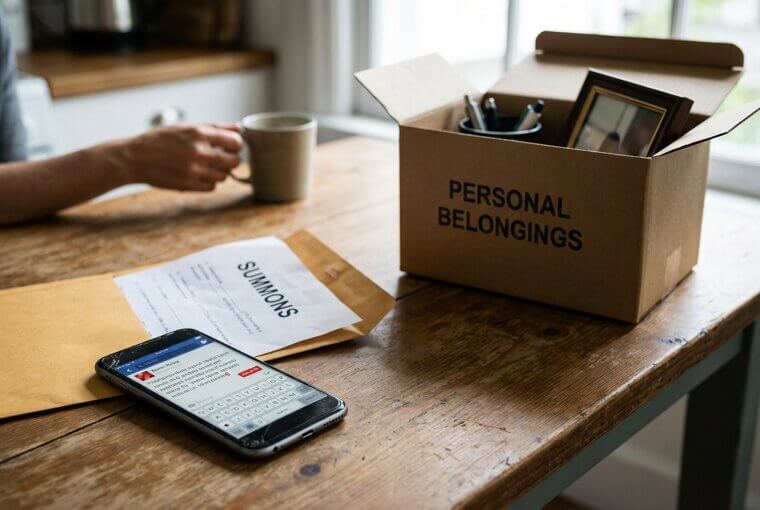
Courts now routinely accept social media posts as evidence in employment disputes, custody battles, and harassment cases. If you're still working, volunteering, or active in your community, that angry post lives in a courtroom-ready format forever. So what do therapists say is the single best habit to prevent this kind of damage?
The 24-Hour Rule That Saves Relationships
Therapists call it the 24-Hour Rule, and the science is straightforward. When you're upset, your amygdala — the brain's alarm system — hijacks your thinking before your prefrontal cortex can apply reason. That override takes roughly 24 hours to fully complete. Here's the protocol conflict resolution experts recommend: open your phone's Notes app and type exactly what you want to post. Every furious word. Then close it. Sleep on it.

The next morning, reread what you wrote. Most people delete it immediately and feel a wave of relief. You got the release of writing it without the wreckage of posting it. But even the calmest, most rational posts carry hidden costs — because social media is quietly reshaping your brain in ways that have nothing to do with conflict.
Social Media Literally Changes Your Brain Chemistry
This isn't a metaphor. When you receive a like on Facebook, MRI scans show your brain's nucleus accumbens lights up — the exact same reward center activated by slot machines. Neuroscientists at UCLA confirmed that social media notifications trigger dopamine release through identical neural pathways as gambling. The platforms know this. Every pull-to-refresh gesture, every unpredictable notification timing, every red badge on your app icon was engineered using casino psychology research.

So if you've ever felt like you couldn't stop scrolling, that wasn't weakness — that was the software working exactly as designed. You were never lacking willpower. You were facing a system built to keep you engaged at any cost. And that cost becomes especially steep during one particular stage of life.
Why Comparison Steals Joy After Fifty
A University of Michigan study found that adults over fifty experience sharper declines in life satisfaction from social media comparison than any other age group. The reasons cut deep. Retirement means watching former colleagues post career milestones. Empty nests mean seeing other families gathering while yours feels scattered. Health challenges mean scrolling past someone's hiking photos on a morning your knees won't cooperate. Researchers measured a 25% increase in depressive symptoms among older adults who spent more than two hours daily on comparison-heavy platforms.
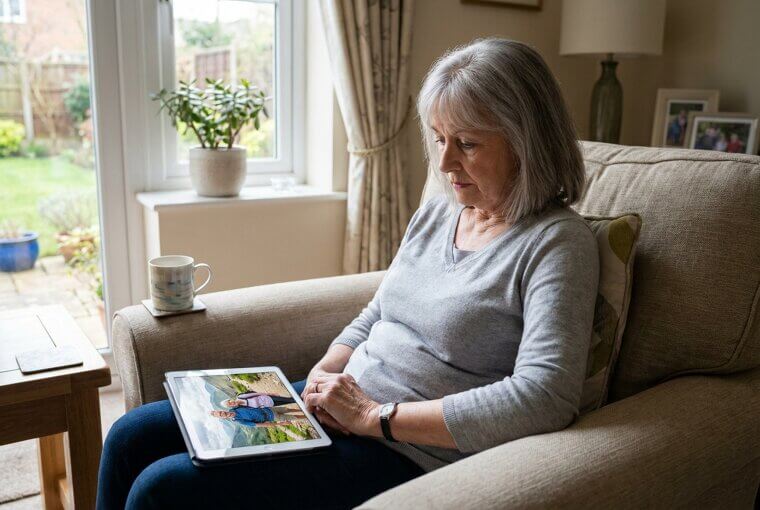
Think about the last time someone's vacation post made your own life feel smaller. That feeling isn't trivial — it compounds daily, quietly eroding satisfaction during years that should feel earned. But here's what therapists want you to understand about every perfect-looking post in your feed.
Curated Lives Hide Real Struggles
Therapists who specialize in clients over fifty say this is the single most powerful reframe they offer: you're only seeing someone's top ten percent. Social media researchers at NYU confirmed that users overwhelmingly post peak moments — the anniversary dinner, never the argument in the car beforehand. The promotion announcement, never the months of rejection. The smiling family portrait, never the sibling who almost didn't come. Professionals call it the "highlight reel effect," and once you truly internalize it, the comparison trap from the previous section begins losing its grip.
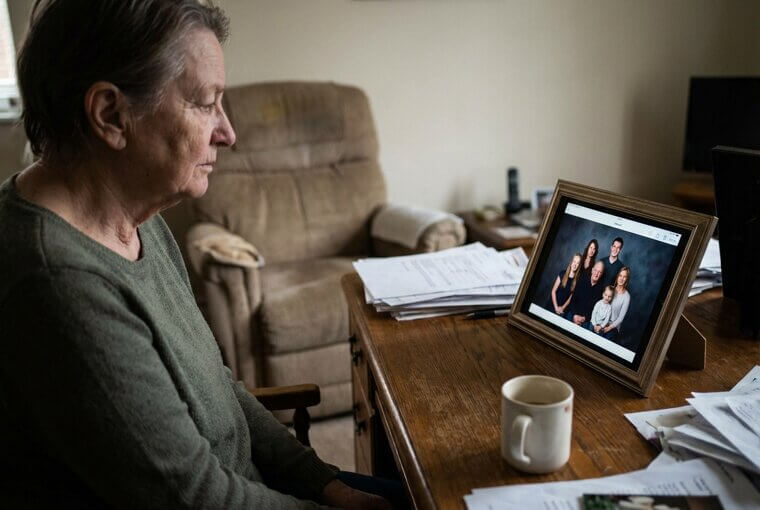
Your complicated, imperfect, sometimes-messy life isn't the exception. It's the universal experience that everyone else is also editing out. Knowing this changes how you feel — but what if you could also change what your feed actually shows you, in just five minutes a week?
A Five-Minute Weekly Social Media Detox
Here's your Sunday ritual — it takes five minutes. Open Facebook, scroll your feed slowly, and notice how each post makes you feel. That account sharing constant political outrage? Unfollow. The acquaintance whose posts leave you feeling inadequate? Unfollow. You're not unfriending anyone — you're just quietly removing them from your daily view. No drama, no notifications sent.
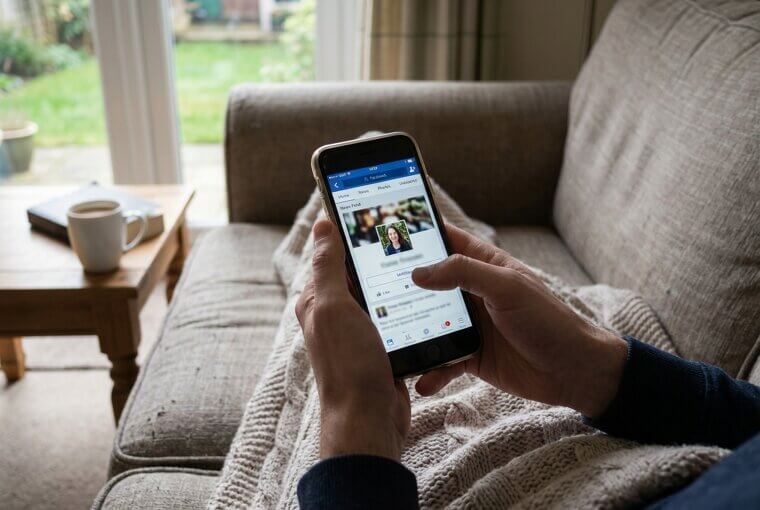
Now follow one account that genuinely teaches you something or makes you smile. Do this four Sundays in a row, and you've removed roughly twenty negativity sources and added four good ones. Your entire feed reshapes itself around what actually serves you. But while you're curating what comes in, there's something going out that deserves attention — especially if you've ever posted about a health issue.
Your Medical Posts Could Affect Your Insurance
Here's something most people never consider: data brokers actively scrape social media for health-related posts. That update about your new knee, the comment mentioning your cholesterol medication, even a casual complaint about back pain — it's all being harvested and sold. Health insurers face legal restrictions on using this data. But life insurance, disability, and long-term care underwriters? They operate under far fewer rules. Industry investigators confirm these companies routinely purchase social media data profiles during the underwriting process.
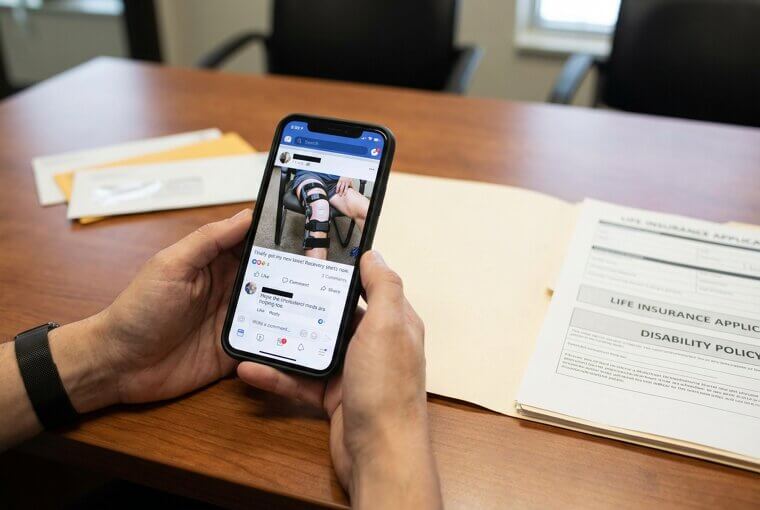
If you're between 55 and 70 — the exact years when these policies matter most — every health-related post is potentially being weighed against you in ways you'd never suspect. And what happens to all your posts after you're gone might surprise you even more.
What Funeral Homes Now Search For Online
Here's something funeral directors don't advertise: when families can't decide what to include in a eulogy or memorial slideshow, many funeral homes now scroll through the deceased person's social media. Your Facebook profile — every shared recipe, every political rant, every sunset photo, every comment you left on a friend's post — becomes raw material for how you're remembered at your own service. Industry conferences now include training sessions on mining social media for memorial content.
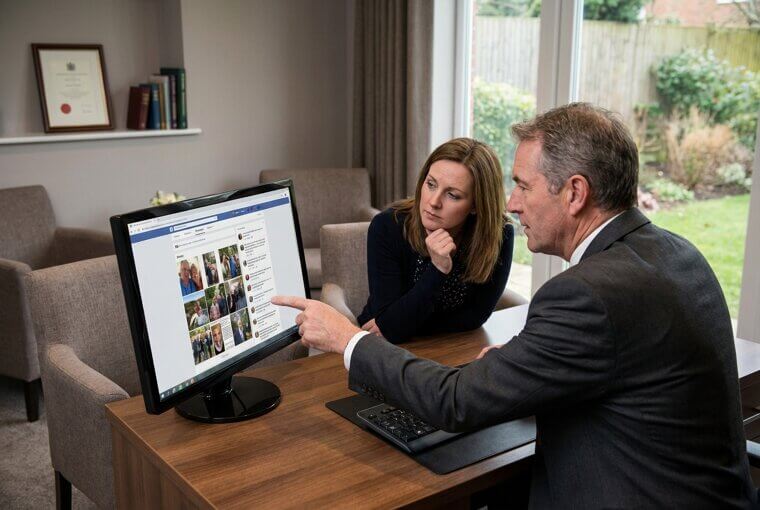
Think about that for a moment. The post you shared this morning could one day be read aloud in a room full of everyone you loved. Every comment is a brushstroke on a portrait you won't be there to edit. But here's the good news — there's a simple setting that lets you choose who manages that portrait after you're gone.
Digital Legacy Contacts Protect Your Memory
Here's how to set it up — it takes three minutes. Open Facebook, go to Settings, then tap Memorialization Settings. You'll see the option to choose a legacy contact. This is the person who can pin a final post on your profile, respond to friend requests, and update your profile photo after you pass. Pick someone you trust deeply — a spouse, an adult child, a close friend. They'll be notified that you've chosen them, which often opens a meaningful conversation.
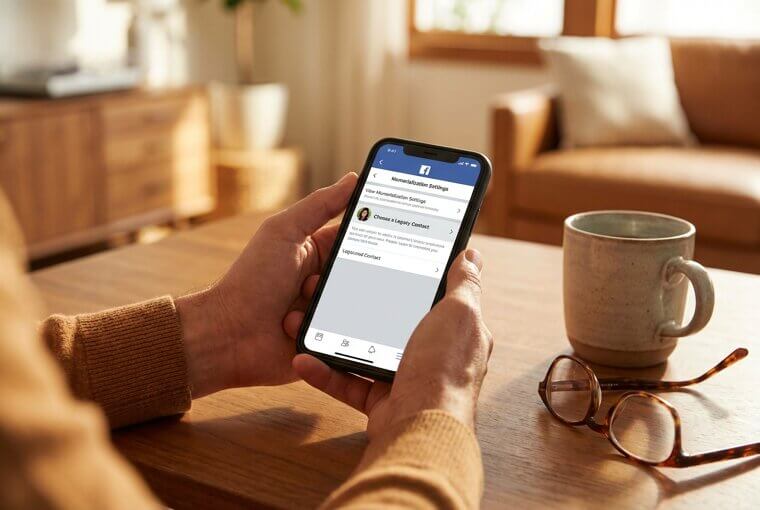
You can also choose to have your account permanently deleted instead. Either way, you're making the decision — not an algorithm, not a stranger at a tech company. It takes less time than brewing coffee, and it gives you something priceless: control over your own memory. Now, while you're protecting yourself, there's a growing scam that targets people exactly like you.
Scam Accounts Clone People You Actually Know
It starts with a friend request from someone you're already friends with. That's the red flag most people miss. Scammers download your friend's profile photo, copy their name, and create an identical-looking account. Then they send requests to everyone on the original friend list. Because you recognize the face and name, you accept without thinking. Within minutes, you receive a message — a desperate story about being stranded, a link to claim a prize, or an urgent request for gift card codes.
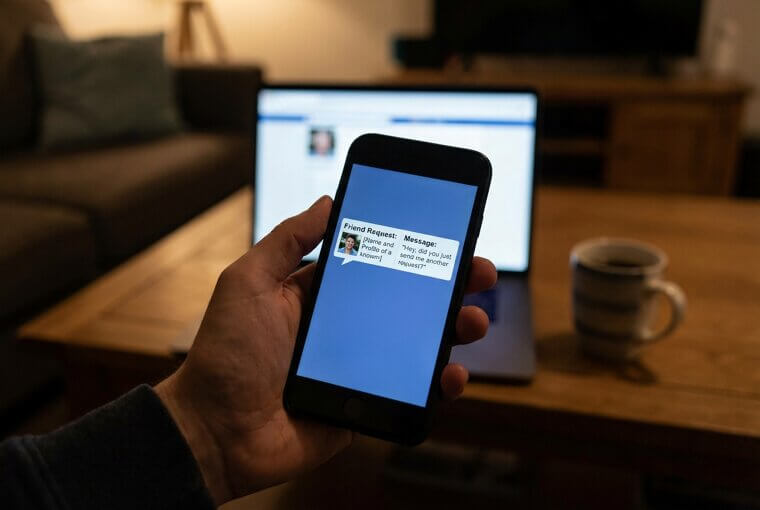
Adults over 55 are the most targeted demographic for clone scams, losing an estimated $1.6 billion annually to social media fraud. The cloned account looks so real that even cautious people get fooled. But there's a two-second check that stops these scams cold.
The Two-Second Check That Stops Clone Scams
Here's your new habit. When a friend request arrives, tap the person's name to open their profile. Then check three things. First, search your friends list — are you already connected to this person? If yes, it's almost certainly a clone. Second, scroll down and check when the account was created. Clone accounts are usually days old. Third, count the posts. Real people have years of content. Clones have three photos and nothing else.
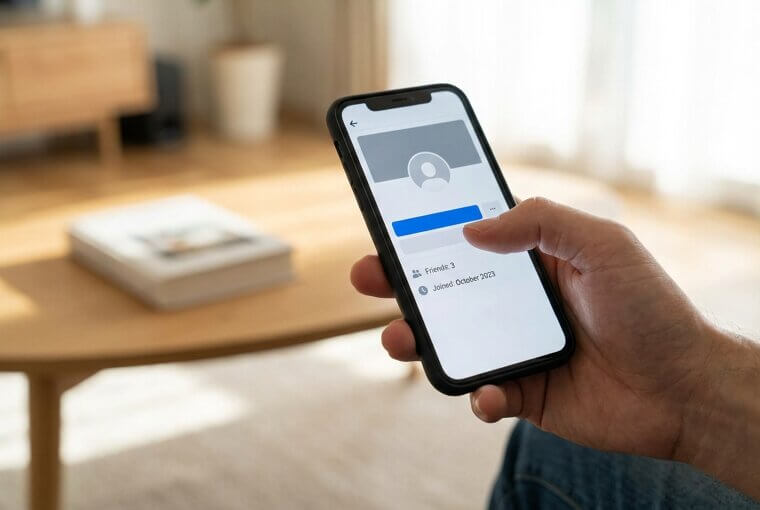
This entire check takes two seconds. Teach it to your spouse tonight. Share it with your siblings. Make it the family rule — nobody accepts a request without checking first. It's the simplest scam shield that exists. But protecting yourself from strangers is one thing. The next conversation is harder — because it involves the people you love most.
Kids Are Asking Grandparents To Stop Posting Them
A grandmother in Ohio recently shared this story: her thirteen-year-old granddaughter sat her down at the kitchen table, voice shaking, and asked her to delete every childhood photo she'd ever posted. Bath time pictures. First-day-of-school portraits with the school name visible. Moments that felt like love when she posted them felt like betrayal to the teenager discovering them. She isn't alone. Across the country, teens are having this conversation with grandparents — not out of anger, but out of a deep need to own their own story.
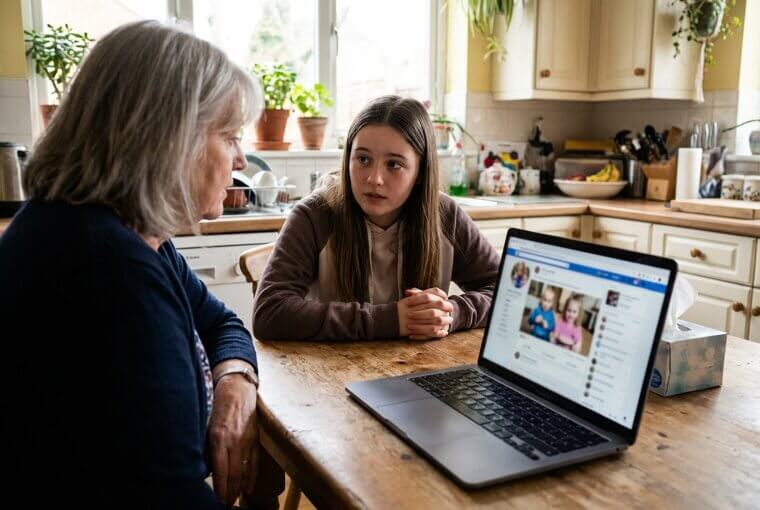
These kids aren't rejecting their grandparents. They're asking to be seen as people, not content. The grandmother in Ohio cried — not because she was scolded, but because she realized she'd never once asked. That's the part that stings. But here's what's beautiful: this moment doesn't have to damage the relationship. It can actually deepen it.
Asking Permission Strengthens Family Bonds
Here's the exact language that changes everything. Before posting, look your grandchild in the eye and say: "I love this photo of you. Would it be okay if I shared it?" For younger kids, ask their parents. For teens, ask them directly. If they say no, say: "I totally respect that. This one's just for us." That's it. Family therapists call this the single most powerful trust-building habit between generations — because you're telling a young person that their comfort matters more than your likes.

Try it this week. You might be surprised — many grandchildren will say yes, and it'll mean more because they chose it. Some will say no, and your respect will mean everything. Either way, you've just strengthened something no algorithm can touch. What comes next might quietly change how you think about sharing altogether.
The Posts People Treasure Most Are Private Ones
Think about the social media moments that made you happiest. Not the post that got a hundred likes — the video your daughter texted just to you, her toddler saying your name for the first time. The family group chat where your son shared his promotion before telling anyone else. The private album where cousins swap old photos every Thanksgiving. Research from the University of Michigan confirms it: direct, personal sharing creates significantly more lasting emotional satisfaction than broadcasting to a public feed.

The posts that matter most have no audience at all. They're whispered, not announced — sent to the three people who truly care. If public posting has started feeling exhausting, maybe that's not a problem. Maybe it's clarity. And that quiet wisdom you're developing? It deserves a name.
You're Not "Behind" — You're Becoming Intentional
Maybe you've watched a younger person fly through their phone — posting, tagging, sharing without a second thought — and felt like you were falling behind. Like technology left without you. Here's what twenty-eight sections of research have shown: that hesitation you feel before posting isn't confusion. It's discernment. Every time you paused and thought "should I really share this?" you were doing something most people never learned to do. You were protecting your dignity, your family's privacy, and your peace of mind — instinctively.

Being slow and thoughtful online isn't a weakness. It's the very skill the digital world is desperate for. You're not behind. You never were. So as we close, let's give you one final tool — a single question that ties everything together and stays with you long after you put your phone down.
One Question That Changes Every Future Post
Here it is — the one question to ask before you hit post, today and every day forward:
**"Does this serve the person I am, or the person I want strangers to think I am?"**
That's it. Memorize it. Write it on a sticky note by your computer. That single question covers everything — your safety, your grandchildren's privacy, your mental health, your legacy, your relationships, your peace.

If the answer is "this is genuinely me," post it with confidence. If you feel that slight hesitation, trust it. You've always had the wisdom. Now you have the words.
You were never the problem. You were always the answer.Disclaimer: This story is based on real events. However, some names, identifying details, timelines, and circumstances have been adjusted to protect the privacy of the individuals involved. The images in this article were created with AI and are illustrative only. They may include altered or fictionalized visual details for privacy and storytelling purposes